Should Your Online Store Offer Free Local Delivery?
Free local delivery gives customers one less thing to think about when they are ready to buy. For an online store, it can make checkout feel simpler. For a physical store, it can help a shopper say yes to an item that will not fit in their car. We see this often with furniture: someone finds the right sofa, table or dresser, then needs a practical way to get it home. At HappyDelivery, we work with online and physical store owners who want to offer their customers convenient, on-demand delivery. We can help with smaller purchases as well as larger items that need a van or truck. Still, the word free needs some thought. Your customer may pay nothing for delivery, but your store pays to arrange it. That cost has to fit somewhere in the sale. A free-delivery offer can be a good decision when it helps you win an order and still leaves enough money to run your business. It can become difficult to sustain when it applies to every product and every destination. Before adding “free local delivery” to your website or store signage, decide which orders you can afford to include. The answer starts with what you sell, what your customers usually spend and what a typical delivery will cost.
Know What Is Left After the Sale
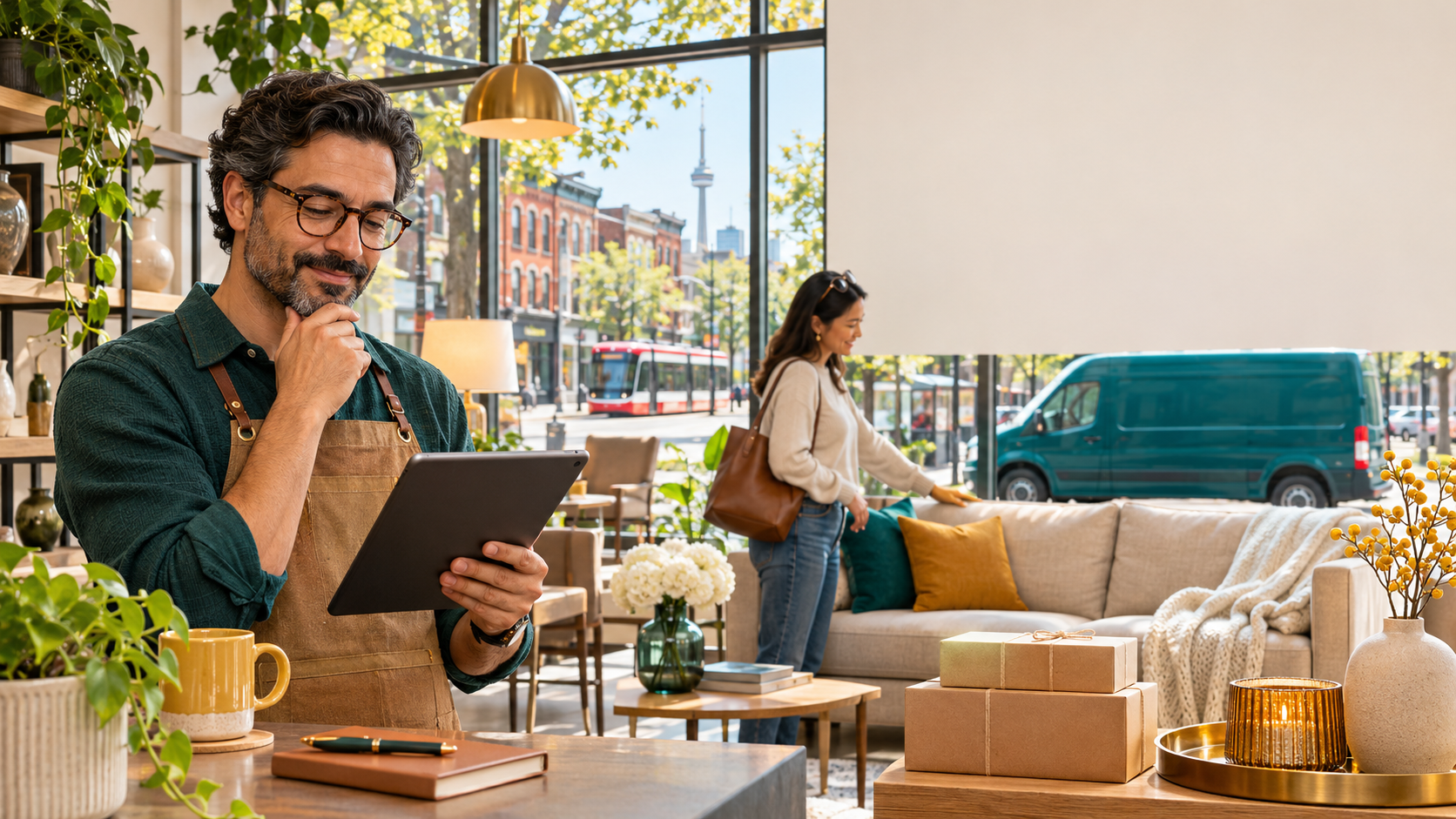
You do not need a complicated spreadsheet to begin. Start with a few recent orders that represent what your customers normally buy. For each one, look at the product price before sales tax. Then take away what you paid for the product and the everyday costs of preparing the order, such as payment processing, packaging and staff time. What is left must help cover delivery, your other business expenses and profit. It is easy to focus on the selling price and forget how much of it is already spoken for. A $300 furniture sale gives you more room to consider delivery than a $60 accessory sale, but the price alone does not tell the whole story. The furniture might have a smaller margin or need more help at pickup and drop-off. If you sell several kinds of products, look at them separately. A home décor shop might have boxed lamps, rugs and large assembled pieces. One free-delivery rule may work for the lamps but make little sense for the largest pieces. We encourage store owners to think about the whole order and the service it needs. Once you know what is usually left after your product and preparation costs, you can decide how much of that amount you are comfortable using to make delivery free for the customer.
Use One Simple Example to Find Your Threshold
Imagine your store receives a $300 order. The products cost you $180, and preparing and processing the order costs another $20. That leaves $100 before delivery. Suppose the delivery you have priced for this example costs $70. You would have $30 left to help cover your other business expenses and profit. If your goal is to keep at least $50 from an order like this, free delivery at $300 does not meet that goal. You have a few choices: charge the customer part of the delivery cost, limit the offer to a less costly delivery area, or set a higher minimum order value. If additional products in this example bring in about $40 toward your business for every extra $100 sold, then another $50 of products would bring in roughly the $20 you need. A $350 free-delivery threshold would be a reasonable starting point to test for similar orders. These numbers are only an illustration; the $70 is not a HappyDelivery quote. Your threshold should use your own product costs and the price of the delivery you actually plan to provide. It should also reflect what customers buy together. If an extra item has a very different margin, it will change the result. The aim is simple: choose a minimum spend at which you can pay for delivery and still keep the amount your business needs.
Use One Simple Example to Find Your Threshold
Imagine your store receives a $300 order. The products cost you $180, and preparing and processing the order costs another $20. That leaves $100 before delivery. Suppose the delivery you have priced for this example costs $70. You would have $30 left to help cover your other business expenses and profit. If your goal is to keep at least $50 from an order like this, free delivery at $300 does not meet that goal. You have a few choices: charge the customer part of the delivery cost, limit the offer to a less costly delivery area, or set a higher minimum order value. If additional products in this example bring in about $40 toward your business for every extra $100 sold, then another $50 of products would bring in roughly the $20 you need. A $350 free-delivery threshold would be a reasonable starting point to test for similar orders. These numbers are only an illustration; the $70 is not a HappyDelivery quote. Your threshold should use your own product costs and the price of the delivery you actually plan to provide. It should also reflect what customers buy together. If an extra item has a very different margin, it will change the result. The aim is simple: choose a minimum spend at which you can pay for delivery and still keep the amount your business needs.
Make the Minimum Spend Useful to Customers
A threshold has to work for shoppers as well as for your store. If most customers spend about $80, a $350 minimum will probably have little effect on their orders. If many already spend around $320, it may encourage them to add something useful and qualify for delivery. Look at your recent sales and see how many orders sit just below the number you are considering. Then look at the products customers could reasonably add. A furniture customer might buy a second dining chair or a matching side table. A shopper buying one small accessory may have no reason to increase the order by hundreds of dollars. Be clear about discounts, too. If someone adds $350 of products but uses a coupon that brings the total down to $300, will the order still qualify? Decide whether the minimum applies before or after discounts and show that rule where customers choose delivery. You can also set different policies for different products. For example, standard delivery on selected boxed items might qualify at one order value, while a large assembled item receives its own delivery quote. That is often easier to understand than a broad promise followed by a long list of exceptions. Customers want to know the full price of their purchase. Give them that information early, whether they are checking out online or speaking with your team in a showroom.
Decide Where “Local Delivery” Applies
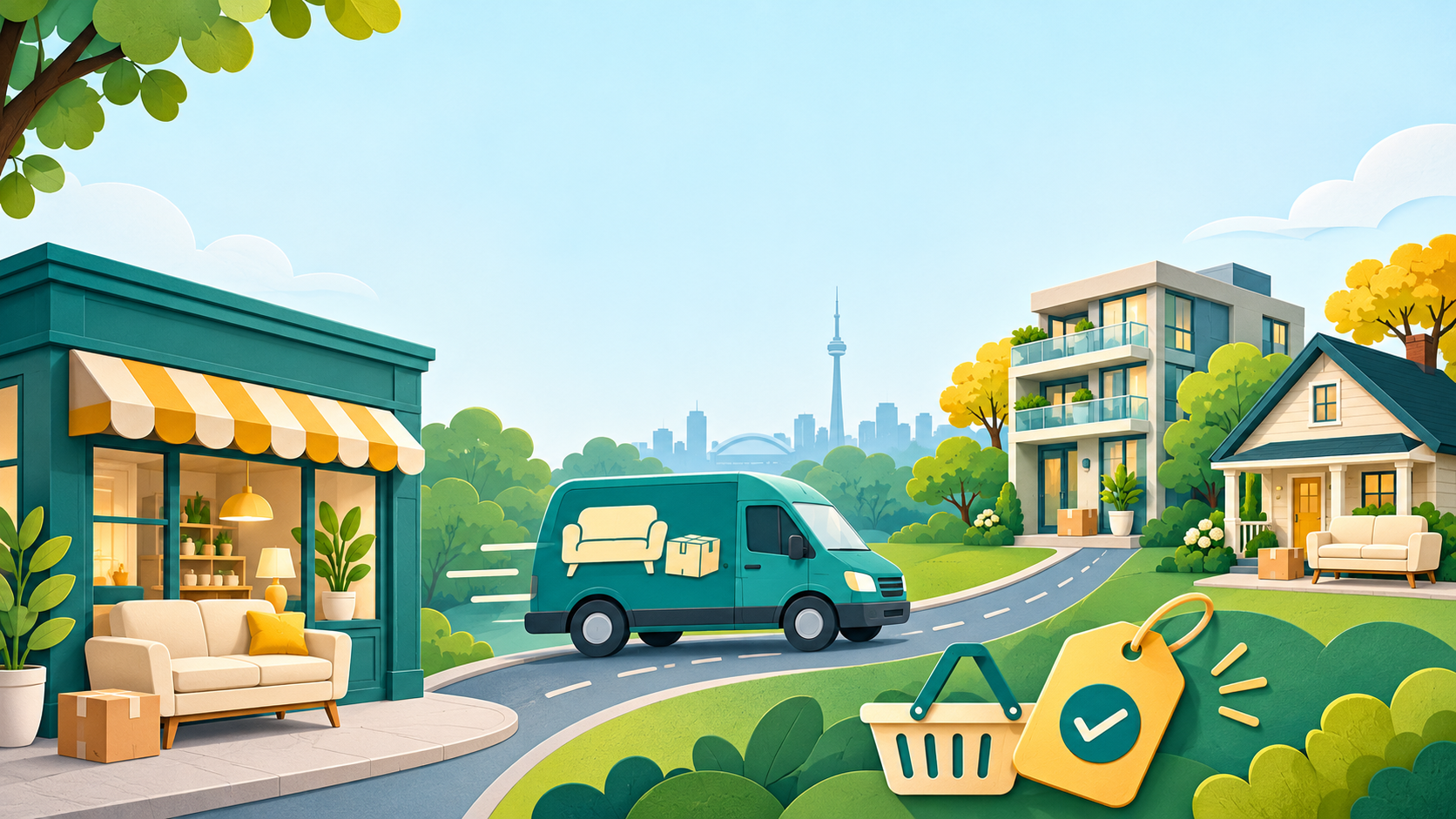
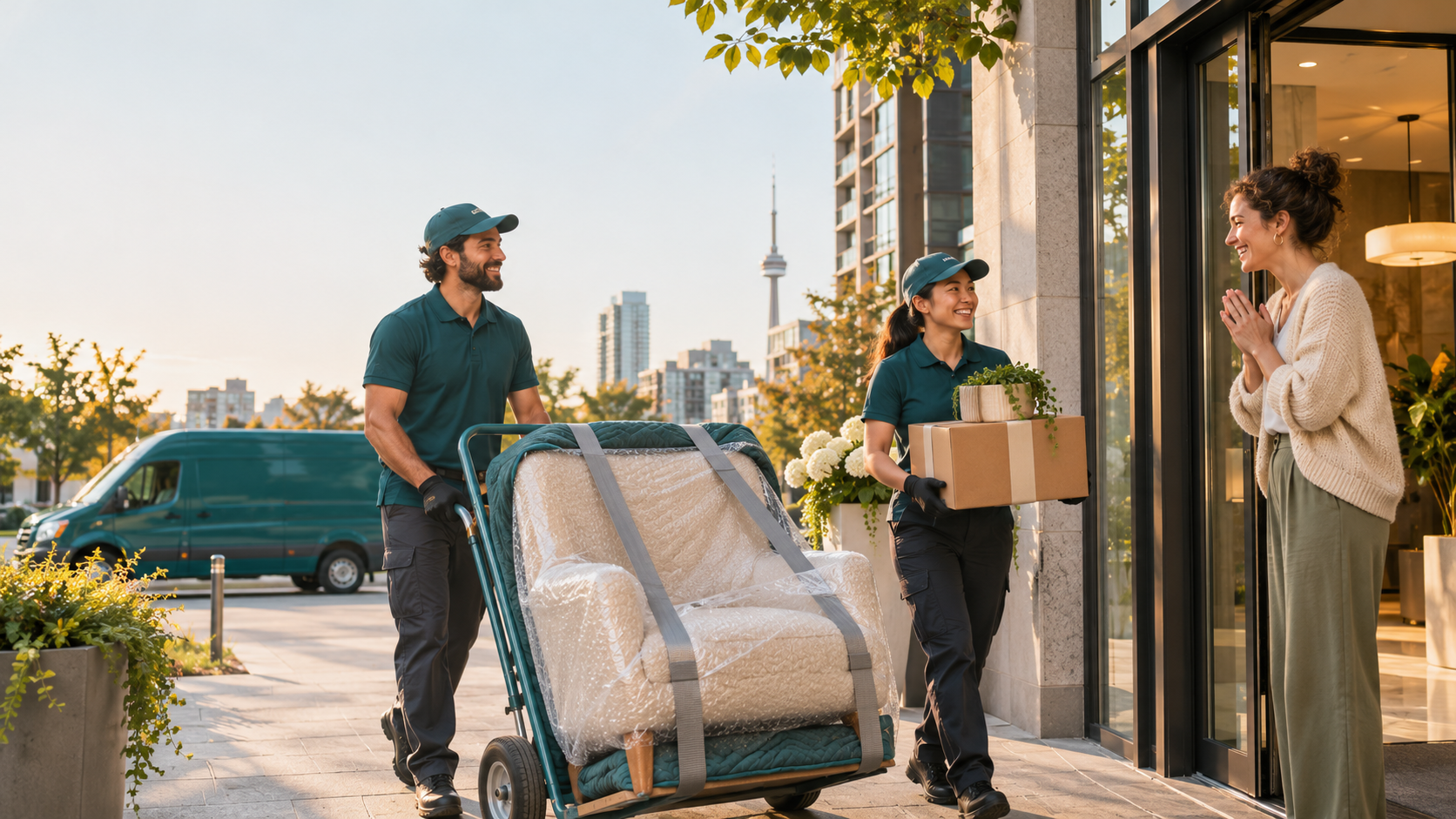
The distance between your store and your customer affects the cost of the offer. So do the time of day, the item and access to the building. A short trip from a shop on Queen Street West to Liberty Village is different from a delivery to Markham or Oakville. A customer in a house may have a simpler drop-off than a customer in a downtown condo where the delivery needs a loading dock or booked elevator. HappyDelivery serves Toronto and surrounding areas, including communities in Peel, York, Durham and Halton regions. That broad service area gives retailers options, but it does not mean every destination should qualify for the same free-delivery promotion. HappyDelivery.ca Choose a core area where you can offer a clear minimum spend. For addresses farther away, you might use a higher minimum, charge part of the delivery cost or provide a quote. Your store’s location should guide those boundaries. A North York retailer may find a nearby Vaughan delivery easier to arrange than a trip to another part of Toronto. Let customers check their address before they reach the final payment step. A promise such as “free standard delivery on qualifying orders in our local delivery area” works best when the customer can quickly see what qualifying and local mean.
Match the Vehicle and Help to the Item
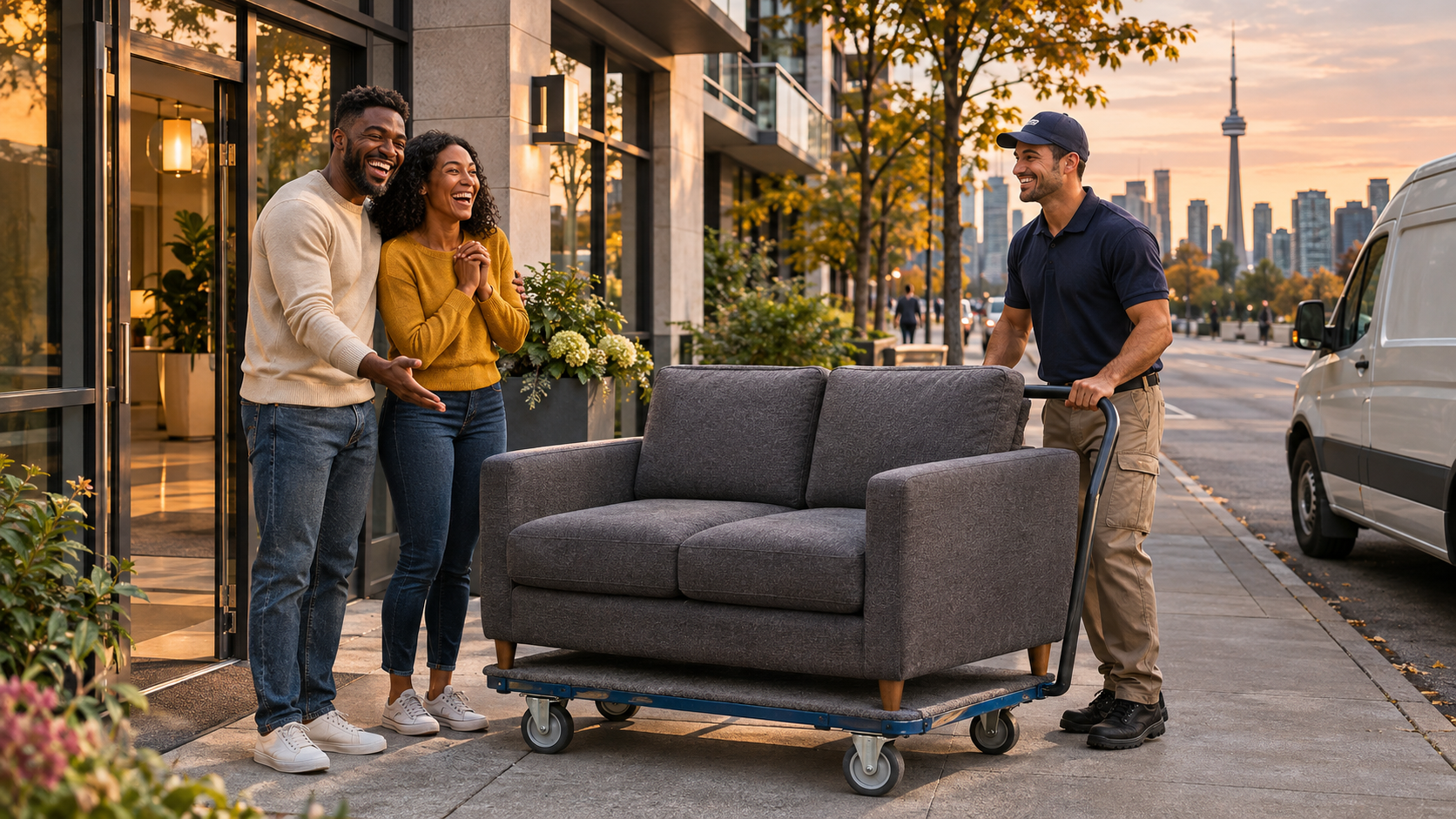
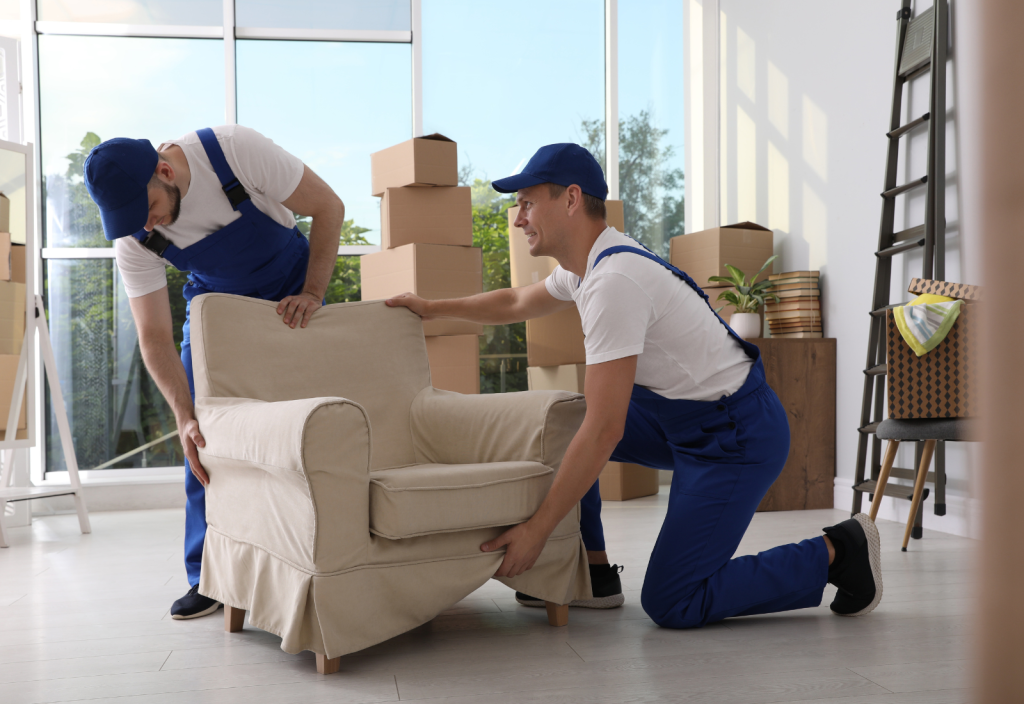
One reason we work with furniture stores is that their orders do not all look alike. A boxed side table may fit in a smaller vehicle. A large dresser, several chairs or a sectional sofa may need much more space and an additional person to help carry it. On our furniture delivery page, customers can view options that include a small SUV, small van, large van, pickup truck, Sprinter van and 15-foot truck. We show starting prices for those choices, then ask for the details needed to work out the service price. Our site explains that the flat-rate quote is based mainly on distance and vehicle size, and that scheduling can affect the price. HappyDelivery.ca For a store owner, this means the right delivery cost is the quote for the actual order, rather than the lowest starting price on a vehicle page. Tell us what is being picked up, where it is going and what help is needed. If your customer wants the item brought inside, or needs assembly, account for that when you plan the offer. Explain the service to the shopper as clearly as you explain the price. “Delivery to the front of the building” and “delivery inside the home” create different expectations. Choosing the right vehicle and level of help protects your margin and gives your customer a better picture of what will happen on delivery day.
Give Shoppers More Than One Delivery Choice
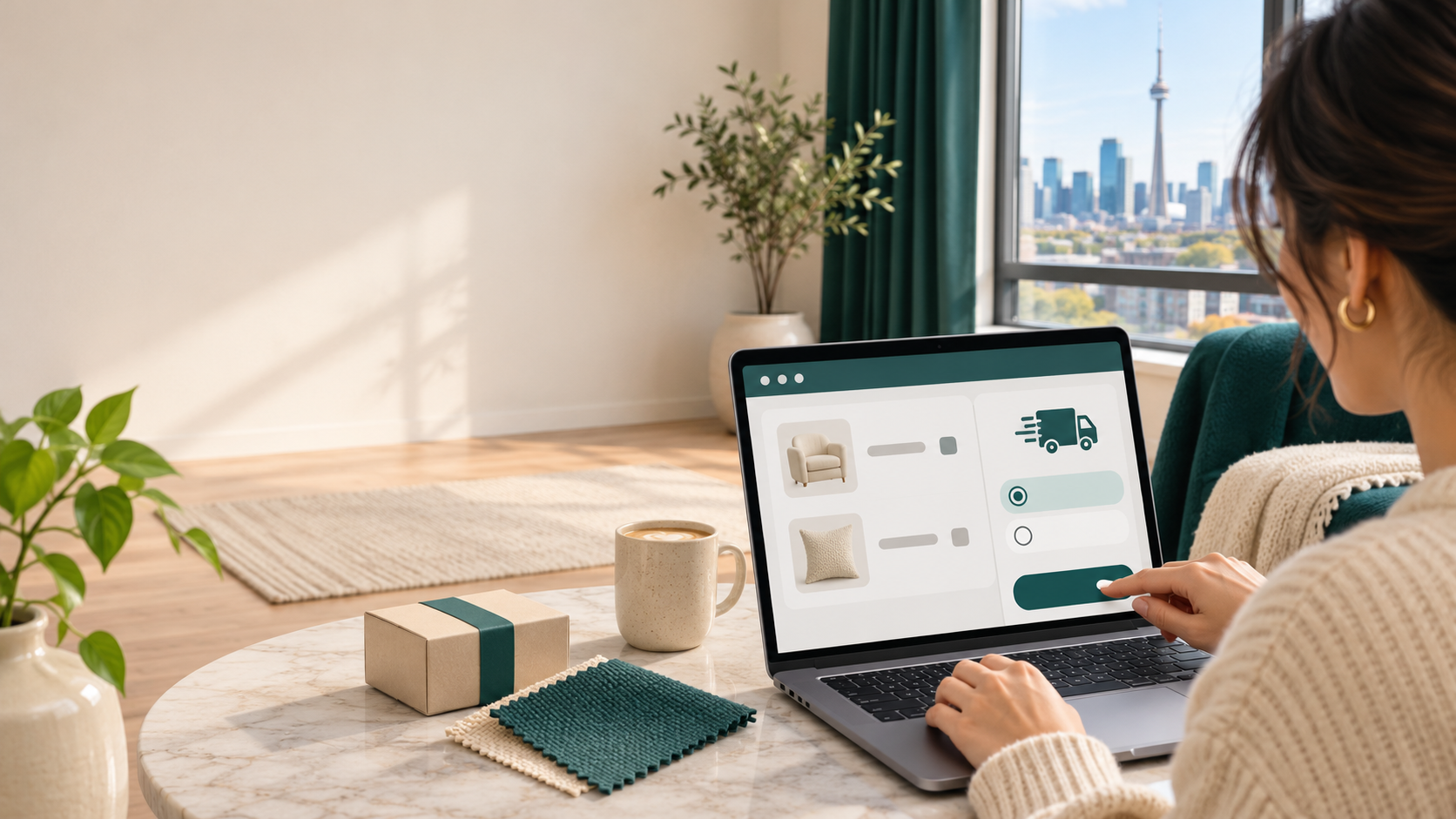
You can make delivery appealing without making every delivery free. Some customers would happily pick up a small purchase at your store. Others would pay for the convenience of getting it today. A furniture shopper may want a scheduled date and extra help bringing an item inside. Consider showing a few clear choices: store pickup where available, standard local delivery, and an on-demand option when a faster delivery is needed. You can then reserve free delivery for the orders and areas where the cost makes sense. If your store has several nearby orders on one day, a planned delivery schedule might also help you control costs. An individual urgent delivery should be considered on its own. For a physical retailer, discussing these choices while the customer is still looking at the item can make the buying decision easier. For an online retailer, show the options after the customer enters a delivery address, before the final checkout step. Keep the wording straightforward. Say whether the quoted service is to the curb, the front door, a lobby or inside the home. If a larger item needs two people, explain that before the customer chooses the least expensive option. A clear delivery charge for an unusual order can build more trust than an offer that sounds free at first but changes late in checkout.
Test the Offer With Real Orders
You do not have to choose a perfect threshold on the first try. Start with a group of products and a delivery area you understand well. Get quotes for a few common jobs: a smaller item going nearby, a typical furniture purchase and a larger item going to a nearby town. Our online quote process lets you select a vehicle and describe the job, so you can see how the price changes with the service required. Use the full price shown for your chosen job when you decide whether to include delivery in the sale. HappyDelivery.ca Then watch what happens after you launch the offer. Are customers adding useful products to reach the minimum? Are more shoppers completing their orders? How much money is left after you pay for delivery? Keep an eye on orders that do not qualify as well: customers may choose pickup, pay for delivery or leave without buying. If large items or farther destinations cost more than expected, adjust the rule for those orders. We work with many online and physical store owners who want competitive delivery pricing and a convenient way to serve their customers. Our role is to help make delivery a practical part of their business. The strongest free-delivery policy is one the retailer can explain easily, price with confidence and continue offering as sales grow.
Offer Free Delivery When the Numbers and Service Fit
Free local delivery can help an online store convert a shopper and help a physical store sell an item the customer cannot take home alone. It works best when the promise is specific. Decide which products qualify, where the offer applies, what level of delivery it includes and how much the customer must spend. Use one or two typical orders to check that you can cover the delivery and still keep enough from the sale. You can begin with a small local area and expand the offer once you see how customers use it. For furniture and other large purchases, price the right vehicle and any extra help instead of relying on the cost of a small delivery. At HappyDelivery, we want to help retailers give their customers convenient on-demand options, whether the order is a smaller item or a larger piece of furniture. If you are considering a free-delivery threshold, get a quote for a typical order and use that price to shape your offer. The customer gets a clear, convenient choice, and your store gets a delivery policy it can afford to keep.